SAP Real Estate Portfolio Migration - Architecture Documentation
1. Project Overview
The SAP Real Estate Portfolio Migration project was initiated to consolidate multiple legacy real estate management systems into a centralized SAP Real Estate (RE-FX) platform. This complex migration involved transferring data from disparate sources, implementing new business processes, and ensuring seamless integration with existing financial systems for a 1B+ asset portfolio.
2. Business Challenge
The organization faced significant challenges with its real estate management systems:
- Compliance Concerns: Difficulty implementing new lease accounting standards (IFRS 16) across disparate systems
- Limited Visibility: No single view of the global real estate portfolio, hampering strategic decision-making
- Inefficient Processes: Manual workflows for lease administration, renewals, and financial reconciliation
- Cost Management: Inability to effectively track and manage real estate costs across the global portfolio
- Reporting Limitations: Challenges in producing consolidated reports for executive decision-making
3. Architecture Solution
3.1 Architecture Diagram
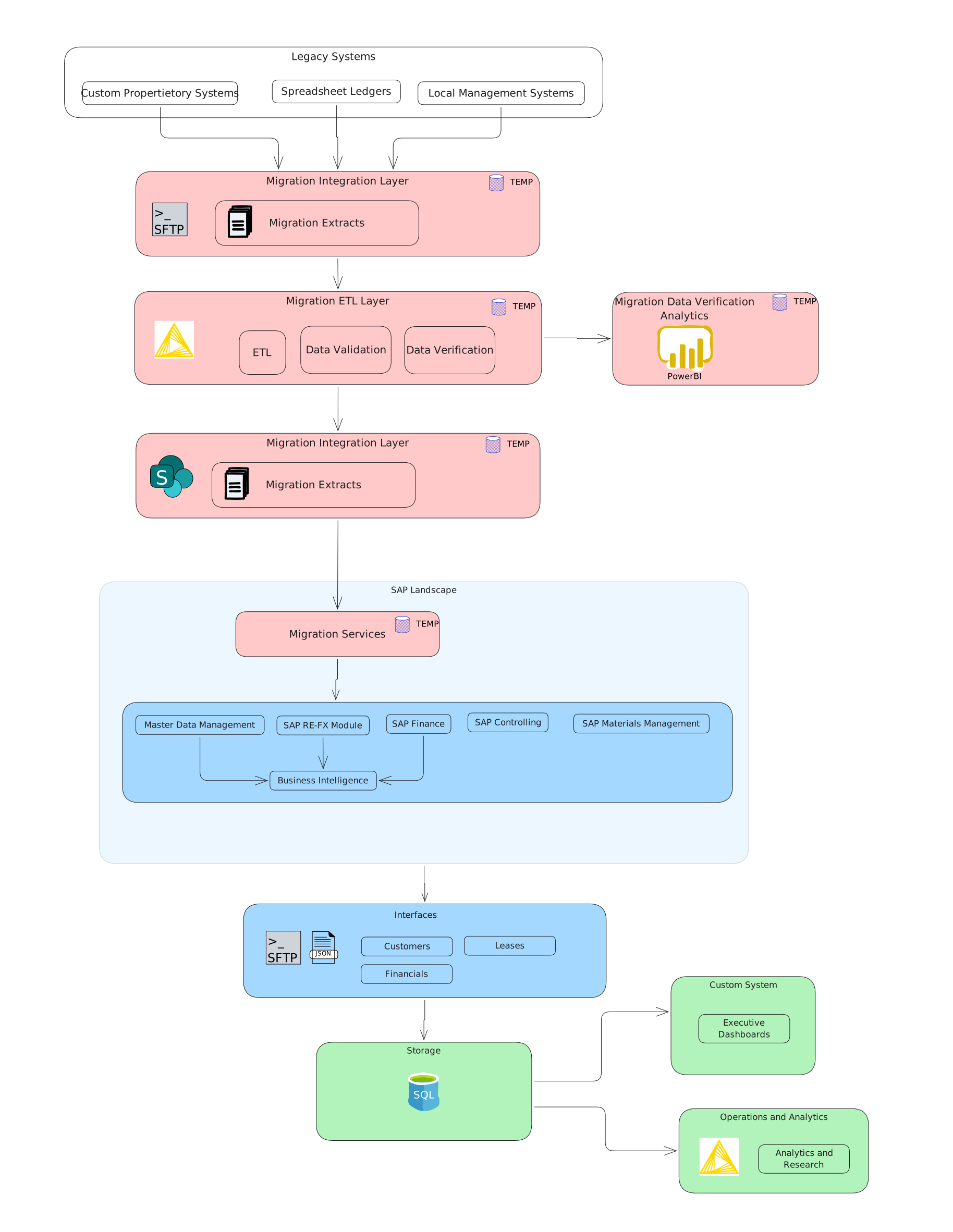
3.2 Data Migration Approach
The data migration strategy involved a phased approach with multiple validation checkpoints:
- Data Profiling: Comprehensive analysis of legacy data quality and structure before migration
- Data Mapping: Creation of detailed mapping specifications for data transfer
- Data Cleansing: Implementation of data cleansing rules to ensure data quality
- Data Validation: Development of automated tools to compare financial outputs between systems
- Master Data Governance: Implementation of business rules and approval workflows for property and business partner data
- Extraction and Transformation: Development of automated scripts to extract data from legacy systems and transform it into the new SAP format
- Data Transfer: Implementation of data transfer tools to move data from legacy systems to SAP RE-FX
- Cutover Planning: Detailed planning for system transition with minimal business disruption
3.3 Integration Points
The SAP RE-FX implementation required integration with several internal and external systems, including existing proprietary systems:
System Integration Architecture
The SAP RE-FX integrates with multiple systems including legacy proprietary solutions for comprehensive real estate management.
Key integration points include:
- SAP Core Modules: Integration with SAP Finance, Controlling, and Materials Management for seamless financial operations
- Proprietary Systems: Custom integration with existing proprietary asset management and lease administration systems to maintain business continuity during phased migration
- Document Management: Integration with enterprise document management system for lease documents and related files
- Tax Systems: Connection to tax calculation and compliance systems
- Custom Solutions: Integration with specialized telecom tenant management system
- Legacy System Support: Maintained connections to legacy systems during phased rollout to minimize business disruption
4. Implementation Approach
The implementation followed a "big bang" cutover strategy with a planned blackout period, followed by extensive process reengineering and long-term support:
- Pre-Cutover Preparation:
- Complete system configuration and testing
- Full data validation and reconciliation
- Dry-run simulations of cutover process
- Business readiness confirmation
- Process reengineering workshops and documentation
- Blackout Period Implementation:
- Scheduled system blackout window
- Freeze on all transactions in legacy systems
- Final data extraction and migration
- Complete integration testing with all connected systems
- Cutover Execution:
- Simultaneous deactivation of legacy systems
- SAP RE-FX system activation
- Integration verification with proprietary systems
- Financial reconciliation and balance verification
- Post-Cutover Support:
- 24/7 command center operations
- Critical issue resolution team
- Business process monitoring
- Data consistency checks
- Process Reengineering & Extended Support (12 months):
- Continuous process optimization and refinement
- Regular business process review sessions
- Workflow automation improvements
- Performance monitoring and system tuning
- Dedicated support team for user assistance
- Monthly steering committee reviews
The project utilized a rigorous implementation methodology focused on minimizing business disruption and ensuring long-term success:
- Process Standardization: Global template implementation with standardized processes across all regions
- Cutover Planning: Detailed minute-by-minute cutover schedule and rollback procedures
- Integration Testing: Comprehensive testing of all system interfaces and data flows prior to cutover
- Change Management: Intensive user training and communication program completed before the blackout period
- Extended Support Model: 12-month dedicated support team for process optimization and user enablement
- Process Evolution: Continuous improvement through regular feedback and optimization cycles
Last Updated: